

Factory DirectGlobal ShippingStrict QC
Email WhatsApp Get Quote

Porsche 992 Matrix Headlights: Features, Benefits, and 991 Upgrade Guide

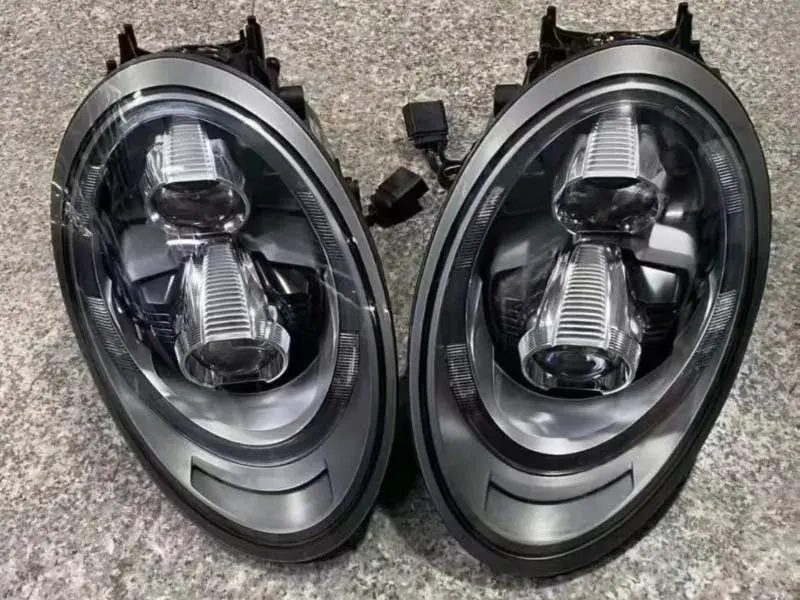
Porsche 911 991 PDLS Smoked LED Headlights with Modules and Wiring Harness Adaptive Upgrade

For Porsche enthusiasts, headlights are more than just functional parts. They are one of the most recognizable styling elements on the car. With the arrival of the Porsche 992 generation, the front lighting design became sharper, cleaner, and far more advanced than before. The signature four-point daytime running lights, smoother internal structure, and upgraded LED … Read more

TOP 5 mistakes when replacing shock absorbers


https://vautopart.com/product-category/exterior-kit/


When replacing shock absorbers on a vehicle, it’s important to avoid common mistakes to ensure the safety and performance of your vehicle. Here are the top five mistakes to avoid:

  1. Choosing the Wrong Shock Absorbers:
    • Selecting shock absorbers that are not compatible with your vehicle’s make and model can lead to handling and safety issues. Always use the correct shock absorbers for your specific vehicle to maintain ride quality and performance.
  2. Not Replacing Both Sides:
    • Replacing only one shock absorber when both are worn or damaged can lead to uneven suspension and handling characteristics. It’s best to replace shock absorbers in pairs (either the front pair or the rear pair) to ensure balanced performance.
  3. Improper Installation:
    • Failing to install the shock absorbers correctly can lead to performance problems and safety issues. Make sure to follow the manufacturer’s installation instructions and use the appropriate torque settings for mounting hardware.
  4. Neglecting Other Suspension Components:
    • Shock absorbers are just one part of the suspension system. Neglecting to inspect and replace other worn or damaged suspension components like bushings, control arms, or struts can lead to suboptimal ride quality and handling.
  5. Not Performing a Wheel Alignment:
    • After replacing shock absorbers, it’s essential to have a wheel alignment performed. Failing to do so can result in uneven tire wear, reduced handling, and alignment-related issues. Proper alignment ensures that all wheels are pointing in the right direction.

It’s crucial to take your time, follow the manufacturer’s instructions, and, if necessary, seek professional assistance when replacing shock absorbers. Proper installation and maintenance are essential for safety, ride quality, and the longevity of your vehicle’s suspension system.

Recommended

The number of new cars sold over 20 years

Audi Q5 modified 18-20 Q5L upgrade RSQ5

The number of new cars sold in the United States over a 20-year period can vary significantly depending on economic conditions, consumer preferences, and various other factors. I can provide you with historical data for new car sales in the United States up until my knowledge cutoff date in September 2021. However, please note that these figures are subject to change, and I recommend consulting more recent sources for up-to-date information.

Warning lights indicating activation of various systems

Warning lights in a car’s dashboard indicate the activation of various systems or alert the driver to potential issues. These lights serve as a vital part of a car’s safety and diagnostic system. While the specific symbols and lights can vary by make and model, here are some common warning lights and their meanings:

What to know about changing the engine oil and oil filters

Regular oil and oil filter changes are essential for the health and longevity of your engine. Neglecting this maintenance can lead to reduced engine performance, increased fuel consumption, and potentially costly engine damage. Be sure to follow the recommended oil change intervals for your specific vehicle and use the correct type and quantity of oil.

How does a brake pressure regulator work?

https://vautopart.com/shop/damping/shock-absorber/suspension-shock-absorber.html


A brake pressure regulator, also known as a brake proportioning valve, is a component in a vehicle’s braking system designed to distribute brake fluid pressure to the front and rear brakes in a way that ensures optimal braking performance. The regulator works by adjusting the brake fluid pressure to compensate for the differing braking needs of the front and rear wheels, improving stability and control during braking. Here’s how a brake pressure regulator works:

1. Balancing Front and Rear Brakes:

  • In a typical vehicle, the front brakes handle more of the braking force because weight shifts forward during braking. This is because the vehicle’s weight distribution is not evenly balanced between the front and rear. As a result, the front brakes need more hydraulic pressure to effectively stop the vehicle.

2. Preventing Rear Wheel Lockup:

  • If the rear brakes receive too much pressure during heavy braking, they can lock up, causing the rear wheels to skid. This can lead to a loss of control and fishtailing. To prevent this, a brake pressure regulator is used to reduce the hydraulic pressure delivered to the rear brakes, ensuring they don’t lock up prematurely.

3. Maintaining Balanced Braking:

  • The brake pressure regulator continuously monitors the pressure in the brake lines. If the vehicle’s weight shifts during braking, the regulator adjusts the hydraulic pressure to the rear brakes to maintain balanced braking. It does this by reducing the pressure to the rear brakes relative to the front brakes.

4. Improved Control and Stability:

  • By preventing rear wheel lockup and distributing the braking force more evenly, the brake pressure regulator enhances the vehicle’s stability and control during braking, especially in situations like hard stops or slippery road conditions.

5. Load Sensing Mechanisms:

  • Some modern vehicles use load sensing mechanisms in the brake pressure regulator. These mechanisms take into account the load in the vehicle, adjusting the brake force distribution accordingly. For example, when a vehicle is heavily loaded, the load sensing mechanism can increase the pressure to the rear brakes to maintain balanced braking.

In summary, a brake pressure regulator plays a crucial role in ensuring that the front and rear brakes receive the appropriate amount of hydraulic pressure, which helps prevent rear wheel lockup, optimize braking performance, and improve vehicle stability and control during braking. This component is particularly important in vehicles with front-rear weight imbalances or those that are susceptible to uneven brake wear.

Recommended

Item added to cart.
0 items - $0.00